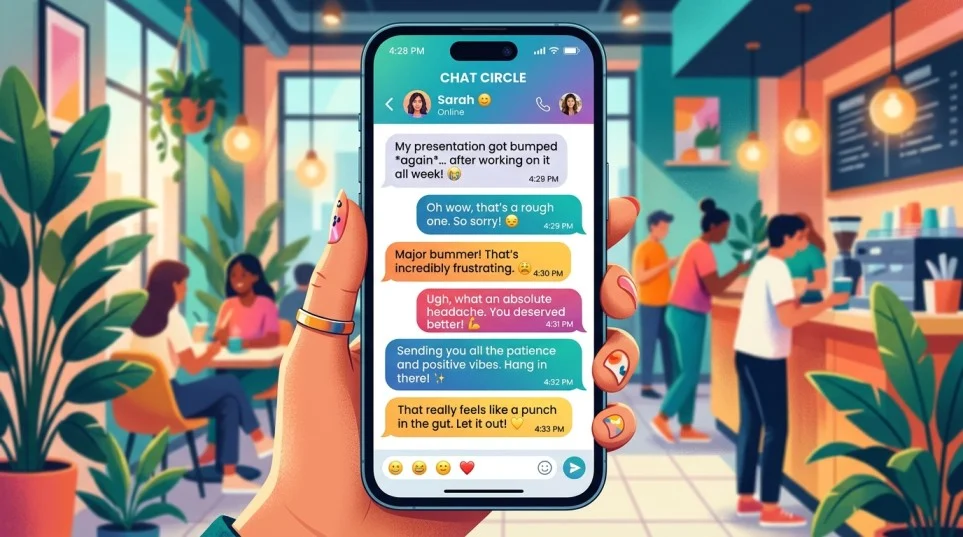
Quick Ans: Looking for other ways to say “that sucks” without sounding repetitive? Whether you’re texting a friend, replying to bad news, or reacting in a professional setting, there are plenty of better alternatives that fit the moment.
Top alternatives: That’s rough, What a bummer, That’s unfortunate, That’s tough, Sorry you’re dealing with that
We have all been there. A friend tells you their vacation got canceled. A coworker mentions a project fell apart. Your crush says they dropped their phone in a puddle five minutes after buying it. And somehow, the only thing that comes to mind is, “That sucks.”
The problem? While it gets the job done, it can start feeling repetitive, generic, or even a little lazy after the hundredth time. Sometimes you want to sound more supportive, more professional, funnier, or simply more creative.
That is where these other ways to say that sucks come in handy. Whether you are texting, posting on social media, chatting with friends, or responding to disappointing news, the right phrase can show empathy, personality, and genuine understanding. This list is packed with fresh alternatives for every mood, situation, and conversation style.
Casual Alternatives
That’s rough.
Example: A friend tells you they missed their flight.
Meaning: A simple way to acknowledge a difficult situation.
That’s tough.
Example: Someone shares disappointing news.
Meaning: Expresses sympathy casually.
What a bummer.
Example: A concert gets canceled.
Meaning: Shows disappointment in a friendly way.
That’s unfortunate.
Example: A coworker misses a deadline.
Meaning: A polite expression of sympathy.
That’s not ideal.
Example: Plans suddenly fall apart.
Meaning: A mild acknowledgment of bad circumstances.
That stinks.
Example: A friend loses their keys.
Meaning: A lighter alternative to “that sucks.”
That’s disappointing.
Example: Someone fails a test.
Meaning: Recognizes frustration or sadness.
That’s a shame.
Example: A favorite restaurant closes.
Meaning: Expresses regret politely.
That really hurts.
Example: A friend shares bad news.
Meaning: Acknowledges emotional impact.
That’s no fun.
Example: Someone gets stuck working overtime.
Meaning: A casual expression of sympathy.
That sounds frustrating.
Example: A friend describes a difficult situation.
Meaning: Shows understanding.
That’s a drag.
Example: Weekend plans get canceled.
Meaning: A laid-back way to express disappointment.
That’s pretty awful.
Example: Someone’s luggage gets lost.
Meaning: Emphasizes the negative experience.
That can’t be easy.
Example: A friend is going through a breakup.
Meaning: Shows empathy.
That’s really unfortunate.
Example: Someone receives bad news.
Meaning: A sincere expression of sympathy.
Funny Alternatives
Well, that’s a plot twist nobody wanted.
Example: A friend shares unexpected bad news.
Meaning: Adds humor to disappointment.
That’s a premium disaster.
Example: Something goes hilariously wrong.
Meaning: Exaggerates the situation for laughs.
Oof, that’s not in the brochure.
Example: Travel plans go wrong.
Meaning: Highlights unexpected problems humorously.
That’s a certified yikes moment.
Example: Someone tells an embarrassing story.
Meaning: Uses internet slang to show sympathy.
That deserves a refund.
Example: A terrible experience is described.
Meaning: Suggests the situation was unfair.
That’s aggressively unfortunate.
Example: A series of bad events happen.
Meaning: Humorously emphasizes bad luck.
The universe really said no.
Example: Plans fail repeatedly.
Meaning: Jokes about fate working against someone.
That’s a whole mess.
Example: A chaotic situation unfolds.
Meaning: Lighthearted acknowledgment.
That is not the vibe.
Example: A friend shares disappointing news.
Meaning: Uses modern slang to express sympathy.
That’s rougher than Monday morning.
Example: Someone describes a difficult situation.
Meaning: Compares it to a universally disliked experience.
Yikes on bikes.
Example: Hearing awkward news.
Meaning: A playful reaction.
That’s a spectacular fail.
Example: A project goes wrong.
Meaning: Humorously highlights failure.
That belongs in a blooper reel.
Example: Someone makes a funny mistake.
Meaning: Suggests the situation is absurd.
Well, that’s embarrassing for everyone involved.
Example: A public mistake occurs.
Meaning: Uses humor to soften the blow.
That’s a five-star disaster.
Example: Multiple things go wrong at once.
Meaning: A dramatic and funny way to describe bad luck.
Supportive Alternatives
I’m sorry you’re dealing with that.
Example: A friend shares personal struggles.
Meaning: Shows compassion and empathy.
That sounds really difficult.
Example: Someone explains a challenge.
Meaning: Acknowledges their hardship.
I hate that happened to you.
Example: A friend gets bad news.
Meaning: Expresses genuine concern.
You don’t deserve that.
Example: Someone experiences unfair treatment.
Meaning: Offers emotional support.
That must be hard.
Example: A friend discusses a stressful situation.
Meaning: Validates their feelings.
I’m here for you.
Example: A friend is upset.
Meaning: Offers support and presence.
That sounds exhausting.
Example: Someone talks about ongoing stress.
Meaning: Recognizes emotional strain.
I can see why you’re upset.
Example: A friend vents frustration.
Meaning: Validates their emotions.
That’s really unfair.
Example: Someone is treated poorly.
Meaning: Acknowledges injustice.
I wish things had gone differently.
Example: A disappointing outcome occurs.
Meaning: Expresses sympathy.
That sounds overwhelming.
Example: Someone shares multiple problems.
Meaning: Recognizes emotional burden.
I feel for you.
Example: A friend shares difficult news.
Meaning: Shows empathy.
That’s genuinely tough.
Example: Someone faces a serious challenge.
Meaning: Offers heartfelt acknowledgment.
I know that hurts.
Example: A friend experiences loss.
Meaning: Shows understanding.
That’s a lot to carry.
Example: Someone describes personal struggles.
Meaning: Recognizes emotional weight.
Professional Alternatives
That’s unfortunate.
Example: A project encounters setbacks.
Meaning: Professional acknowledgment of a problem.
That’s disappointing to hear.
Example: A business goal is missed.
Meaning: Shows concern professionally.
That presents a challenge.
Example: An issue arises at work.
Meaning: Focuses on problem-solving.
That’s certainly not ideal.
Example: A deadline changes unexpectedly.
Meaning: Professional recognition of inconvenience.
That’s a setback.
Example: A project hits obstacles.
Meaning: Describes a negative development.
I understand the concern.
Example: A client reports an issue.
Meaning: Shows professionalism and empathy.
That complicates things.
Example: New information affects a plan.
Meaning: Acknowledges difficulties.
That’s regrettable.
Example: An opportunity is lost.
Meaning: Formal sympathy.
That creates some difficulties.
Example: A process encounters problems.
Meaning: Professional assessment.
That’s not the outcome we hoped for.
Example: Results fall short.
Meaning: Diplomatic disappointment.
That is certainly challenging.
Example: A difficult situation emerges.
Meaning: Professional recognition.
That’s concerning.
Example: A problem affects operations.
Meaning: Signals seriousness.
That requires attention.
Example: An issue needs resolution.
Meaning: Focuses on action.
That is less than ideal.
Example: Unexpected complications arise.
Meaning: Professional understatement.
I appreciate you bringing that up.
Example: Someone reports a problem.
Meaning: Professional acknowledgment.
Empathetic Alternatives
My heart goes out to you.
Example: Someone experiences loss.
Meaning: Deep sympathy.
That’s heartbreaking.
Example: Hearing sad news.
Meaning: Expresses emotional concern.
I can’t imagine how that feels.
Example: A friend faces hardship.
Meaning: Acknowledges emotional pain.
That must be incredibly difficult.
Example: Someone shares a major challenge.
Meaning: Shows compassion.
I’m really sorry.
Example: A friend gets upsetting news.
Meaning: Offers sincere sympathy.
That sounds painful.
Example: Someone describes emotional hurt.
Meaning: Recognizes suffering.
I hate hearing that.
Example: A friend shares bad news.
Meaning: Shows concern.
That’s really hard.
Example: A difficult situation is described.
Meaning: Offers validation.
You have every right to feel upset.
Example: Someone feels frustrated.
Meaning: Validates emotions.
That must have been awful.
Example: A friend shares a bad experience.
Meaning: Recognizes hardship.
I wish I could fix it.
Example: Someone is struggling.
Meaning: Expresses care.
That sounds heartbreaking.
Example: Emotional loss occurs.
Meaning: Deep empathy.
I’m sorry you’re going through this.
Example: A friend faces difficulties.
Meaning: Shows support.
That really hurts to hear.
Example: Someone shares sad news.
Meaning: Expresses emotional concern.
You didn’t deserve that.
Example: Someone experiences unfair treatment.
Meaning: Offers comfort.
Gen Z Alternatives
That’s not it.
Example: Reacting to disappointing news.
Meaning: Modern slang for disapproval.
Big yikes.
Example: Hearing something awkward.
Meaning: Casual sympathy.
That’s actually wild.
Example: Unexpected bad news.
Meaning: Shows disbelief.
That is so not the vibe.
Example: Plans go wrong.
Meaning: Expresses disappointment.
Major L.
Example: A friend shares a failure.
Meaning: Labels the situation as a loss.
That is tragic.
Example: Minor inconveniences.
Meaning: Often used dramatically for humor.
Absolutely brutal.
Example: A friend gets unlucky.
Meaning: Emphasizes bad luck.
That is tough scenes.
Example: Sports or everyday setbacks.
Meaning: Casual sympathy.
Not the outcome we manifested.
Example: Goals fail.
Meaning: Modern humorous disappointment.
That is rough buddy.
Example: Friendly conversations.
Meaning: A popular internet phrase.
Oof.
Example: Quick reactions online.
Meaning: Simple acknowledgment of discomfort.
That is cursed.
Example: Something goes wrong hilariously.
Meaning: Describes bizarre bad luck.
The vibes are terrible.
Example: Disappointing situations.
Meaning: Casual criticism.
That is unfortunate behavior from the universe.
Example: Repeated bad luck.
Meaning: Humorous blame on fate.
Not gonna lie, that’s rough.
Example: A friend shares bad news.
Meaning: Casual honesty and sympathy.
FAQs
What does “that sucks” mean?
It is a casual phrase used to express sympathy, disappointment, or frustration about a negative situation.
Is “that sucks” rude?
Usually no. It is common in casual conversations, but it may sound too informal in professional settings.
What is a professional alternative to “that sucks”?
Good options include “That’s unfortunate,” “That’s disappointing to hear,” or “That presents a challenge.”
What can I say instead when comforting someone?
Try phrases like “I’m sorry you’re dealing with that” or “That sounds really difficult.”
Are funny alternatives appropriate?
Yes, especially with friends who appreciate humor and when the situation is not too serious.
CONCLUSION
The phrase “that sucks” is popular for a reason. It is quick, simple, and easy to understand. But having more options in your vocabulary helps you sound more thoughtful, supportive, funny, or professional depending on the situation. Whether you are comforting a friend, reacting to disappointing news, or posting online, the right words can make a bigger impact than you think.
Save this list, bookmark your favorites, and keep a few go-to alternatives ready for your next conversation. You might be surprised how much stronger your communication becomes with just a few fresh phrases.
Discover More:-
- 200+ Other Ways to Say I’m Sorry to Hear That for Every Situation
- 200+ Other Ways to Say Horny That Are Funny, Flirty, Cute, and Creative