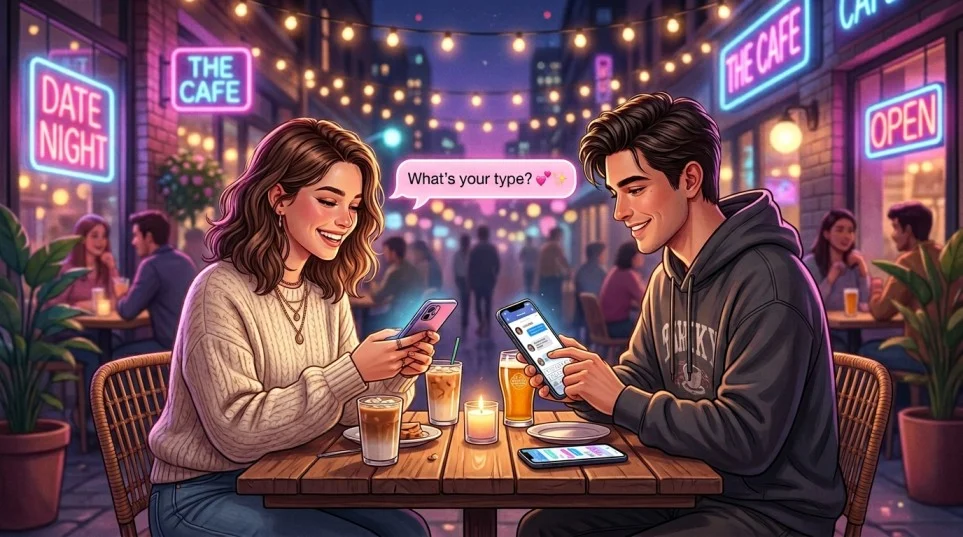
Quick Answer: “What’s your type?” means what kind of person you are usually attracted to romantically or emotionally. People often ask this question in dating, flirting, texting, or relationship conversations to learn about your preferences in a partner.
Your “type” can include:
- Personality traits
- Physical attraction
- Emotional compatibility
- Lifestyle preferences
- Relationship vibe
Example:
“My type is someone funny, confident, and kind.”
In modern dating slang, the question is also used as a flirty conversation starter during the talking stage, on dating apps, or in text chats.
If you’ve spent even five minutes on dating apps, TikTok, Instagram, or late-night text conversations, you’ve probably heard someone ask:
“What’s your type?”
At first glance, the phrase sounds simple. Yet people use it in dozens of different ways. Sometimes it’s playful. Sometimes it’s deeply personal. Other times, it’s pure flirting wrapped inside casual conversation.
That’s why so many people search for:
- what’s your type meaning
- what does what’s your type mean
- your type meaning in chat
- what’s your type meaning in dating
- what’s your type meaning from a girl
- what’s your type meaning from a guy
The phrase has become a huge part of modern dating slang. You’ll hear it during the talking stage, on Tinder, inside group chats, and even in memes. Gen Z especially uses it as a conversation starter because it reveals attraction preferences without sounding too serious.
Still, the question goes deeper than appearance.
When someone asks about your “type,” they usually want to know:
- Who attracts you emotionally
- What personality traits you love
- What physical qualities catch your attention
- What relationship vibe fits you best
- Whether they match your romantic preference
In other words, the question quietly explores compatibility.
Some people describe their ideal partner using humor. Others mention emotional compatibility, loyalty, ambition, confidence, or communication style. A few focus mostly on physical attraction. Most people combine all of them together.
The interesting part?
Many people think they have a strict “type” until real chemistry changes everything.
This guide breaks down the complete meaning behind the phrase. You’ll learn:
- What “what’s your type” actually means
- How the phrase works in dating slang
- Why people ask it while flirting
- How to answer naturally
- Funny and flirty replies
- The psychology behind attraction preferences
- Differences between emotional and physical types
- What the question means from a girl or guy
- How Gen Z uses the phrase online
Let’s unpack the real meaning behind one of the internet’s favorite dating questions.
What Does “What’s Your Type” Mean?
Simple Definition of “What’s Your Type”
The phrase “what’s your type” asks what kind of person you usually feel attracted to romantically.
Your “type” can include:
| Attraction Area | Examples |
|---|---|
| Physical attraction | Tall, stylish, athletic, cute smile |
| Personality traits | Funny, calm, confident, loyal |
| Emotional traits | Supportive, mature, caring |
| Lifestyle preferences | Ambitious, creative, adventurous |
| Relationship energy | Affectionate, independent, communicative |
So when someone asks:
“What’s your type?”
They usually mean:
“What kind of person do you like romantically?”
That’s the core what is your type meaning in modern conversation.
What’s Your Type Meaning in Dating
In dating, the question becomes more personal.
It often appears during:
- First dates
- Tinder chats
- Talking stages
- Late-night texting
- Flirty conversations
- Relationship discussions
People ask it to measure attraction compatibility.
Sometimes they want to see if they fit your preferences. Other times, they simply want deeper conversation beyond surface-level small talk.
For example:
“I like confident people who can hold a conversation.”
That answer reveals:
- Personality preference
- Emotional compatibility
- Relationship standards
The phrase sounds casual. However, it often carries hidden romantic curiosity.
What’s Your Type Meaning in Slang
In slang, the phrase works as a softer way to discuss attraction.
Instead of directly asking:
“Would you date me?”
Someone might ask:
“So… what’s your type?”
That creates less pressure while still exploring romantic interest.
Gen Z uses the phrase heavily in:
- TikTok videos
- Memes
- Dating app bios
- Snapchat conversations
- Instagram comments
- Flirty texting
Modern dating slang often avoids direct emotional language. People prefer playful conversation starters instead.
That’s why this phrase exploded online.
What Does “What’s Your Type” Mean From a Girl?
She May Be Flirting With You
One of the biggest reasons girls ask this question is simple:
She wants to know whether she matches your attraction preferences.
If a girl asks:
“What’s your type?”
She may secretly compare herself to your answer.
For example:
- If you say you like funny people
- She may start emphasizing humor
- If you mention ambition
- She may talk more about goals
It becomes an indirect compatibility test.
She Might Want Emotional Insight
Some girls ask the question because they care more about personality than looks.
They want to know:
- What relationship standards you have
- Whether you value emotional maturity
- If you prioritize loyalty or appearance
- How serious you are about dating
That’s why your answer matters.
A shallow response like:
“Blonde girls only.”
Can instantly make you sound immature depending on the situation.
Meanwhile, a balanced answer often creates better emotional connection.
Sometimes It’s Just Casual Curiosity
Not every question hides romantic tension.
Sometimes a girl asks because:
- The conversation feels boring
- She wants a fun topic
- Friends started discussing dating
- She enjoys psychology and attraction topics
Context matters.
Tone matters even more.
What Does “What’s Your Type” Mean From a Guy?
He’s Usually Testing Compatibility
When a guy asks this question, he often wants to know whether he has a chance romantically.
Men frequently use the question during:
- Flirting
- Early dating stages
- Online dating conversations
- Casual texting
Instead of directly asking:
“Would you date someone like me?”
He asks:
“What’s your type?”
It sounds smoother and safer.
Some Guys Use It as a Flirting Strategy
The question naturally shifts conversation toward romance.
That’s why it works so well as a dating conversation starter.
A guy might ask it because he wants to:
- Increase romantic tension
- Create playful energy
- Learn what attracts you
- Move beyond basic small talk
This is especially common during the talking stage.
It Can Reveal His Own Insecurities
Sometimes the question reflects self-comparison.
He may wonder:
- Am I attractive to her?
- Do I fit her ideal partner type?
- Is she into people like me?
Humans constantly compare themselves to romantic standards.
This question quietly exposes that curiosity.
What’s Your Type Meaning in Texting
Why the Phrase Works So Well Over Text
Texting removes tone and body language. Because of that, people use playful phrases to keep conversations engaging.
“What’s your type?” works perfectly because it:
- Feels casual
- Starts deeper conversation
- Adds flirting naturally
- Encourages emotional sharing
That’s why the phrase dominates online dating phrases.
Your Type Meaning in Chat Conversations
In chat conversations, the phrase often acts as a transition point.
For example:
Before
- Basic small talk
- Surface-level discussion
After
- Attraction
- Dating preferences
- Emotional standards
- Romantic compatibility
The conversation suddenly becomes more personal.
That shift creates emotional momentum.
What’s Your Type Meaning on Tinder
On Tinder and dating apps, the question serves several purposes.
People use it to:
- Filter compatibility
- Understand dating goals
- Start flirting quickly
- Avoid awkward silence
Common examples include:
“So what’s your type?”
“Describe your ideal partner.”
“What kind of person are you into?”
Dating apps move fast. People want emotional shortcuts.
This question provides one.
The Psychology Behind Having a “Type”
Humans Naturally Develop Attraction Preferences
People rarely choose attraction logically.
Instead, attraction forms through:
- Childhood experiences
- Social environments
- Emotional memories
- Cultural influence
- Media exposure
- Past relationships
Over time, your brain creates patterns.
You begin associating certain personality traits or appearances with emotional comfort and excitement.
That becomes your “type.”
Emotional Familiarity Shapes Attraction
Psychologists often discuss the concept of emotional familiarity.
Humans frequently feel drawn toward people who feel emotionally recognizable.
Even unhealthy patterns can feel attractive if they seem familiar.
For example:
| Experience | Possible Attraction Pattern |
|---|---|
| Grew up around humor | Attracted to funny people |
| Experienced emotional neglect | Attracted to emotionally distant partners |
| Valued intelligence at home | Attracted to ambitious people |
| Craved stability | Attracted to calm personalities |
Attraction isn’t random.
It’s deeply connected to experience.
Physical Attraction Matters — But It Isn’t Everything
Physical type meaning usually refers to appearance preferences.
Examples include:
- Height
- Fashion style
- Voice
- Hair
- Fitness
- Facial structure
Physical attraction definitely matters in dating.
Still, long-term compatibility usually depends more on:
- Communication
- Emotional safety
- Respect
- Shared goals
- Trust
That’s why many relationships succeed outside someone’s “usual type.”
Different Types People Commonly Describe
Physical Type Meaning
Some people focus strongly on appearance.
Examples include:
- “I like tall people.”
- “I’m into tattoos.”
- “I like athletic partners.”
- “I love curly hair.”
Physical attraction creates initial chemistry.
However, appearance alone rarely sustains emotional connection long term.
Personality Preference
Personality often matters more than looks over time.
Common preferred personality traits include:
- Humor
- Kindness
- Confidence
- Intelligence
- Patience
- Ambition
- Loyalty
Many people eventually realize personality drives lasting attraction more than appearance does.
Emotional Compatibility
Emotional compatibility refers to how well two people connect emotionally.
This includes:
- Communication style
- Emotional maturity
- Conflict handling
- Affection levels
- Relationship expectations
Strong emotional compatibility often creates deeper intimacy than physical attraction alone.
Lifestyle Compatibility
Lifestyle compatibility matters more than people expect.
Imagine this:
One person loves constant travel.
The other prefers staying home quietly every weekend.
Even if attraction exists, the relationship may struggle.
That’s why people consider:
- Career goals
- Family values
- Social habits
- Financial mindset
- Religious beliefs
- Long-term plans
Relationship preference goes far beyond looks.
Why People Ask “What’s Your Type?”
They Want to Know If They Match Your Preferences
This is the biggest reason.
When someone asks about your type, they often compare themselves silently.
If your answer describes them, they may feel encouraged romantically.
If your answer sounds opposite from their personality, they may feel discouraged.
That’s why people pay close attention to your response.
It’s One of the Most Popular Flirting Questions
The phrase creates playful romantic tension without sounding overly serious.
It works because it feels:
- Lighthearted
- Safe
- Curious
- Personal
- Interactive
Few conversation starters balance all those qualities so well.
People Love Talking About Attraction
Humans naturally enjoy discussing:
- Crushes
- Dating standards
- Relationship vibes
- Romantic preferences
- Compatibility
The topic feels emotionally stimulating.
That’s why the phrase remains so popular online.
How to Answer “What’s Your Type?” Naturally
Be Honest Without Sounding Robotic
Many people overthink this question.
You don’t need a perfect scripted answer.
Natural responses work better.
Instead of saying:
“I require someone with exactly seven personality traits.”
Try:
“I usually like people who are funny, emotionally mature, and easy to talk to.”
Simple feels more authentic.
Avoid Creating a Harsh Checklist
Extremely specific requirements can sound shallow.
For example:
- Exact height demands
- Unrealistic beauty expectations
- Materialistic standards
Rigid checklists often make conversations uncomfortable.
Healthy attraction usually leaves room for chemistry and personality.
Focus on Core Relationship Values
Strong answers often include:
- Kindness
- Communication
- Humor
- Respect
- Emotional intelligence
- Confidence
Those traits signal maturity.
Match Your Tone to the Conversation
Different situations require different energy.
| Situation | Best Style |
|---|---|
| Casual texting | Light and playful |
| First date | Balanced and honest |
| Flirting | Confident and fun |
| Serious relationship talk | Deeper emotional answers |
Context changes everything.
Best Replies to “What’s Your Type?”
Casual Replies
- “I like people with good energy.”
- “Someone easy to talk to.”
- “Kindness matters a lot to me.”
- “I love people who make me laugh.”
Flirty Responses to “What’s Your Type?”
- “Maybe someone exactly like you.”
- “I’ll know when I meet them.”
- “Someone who can keep up with me.”
- “You asking for yourself?”
Flirty responses increase romantic tension naturally.
Funny Answers to “What’s Your Type?”
Humor works extremely well here.
Examples include:
- “Emotionally available people. Rare species.”
- “Anyone who replies faster than three business days.”
- “People who don’t say ‘k’ in texts.”
- “Apparently toxic people. I’m working on it.”
Funny answers feel relatable because modern dating often feels chaotic.
What’s Your Type Meaning in a Relationship?
The Question Becomes More Serious Over Time
Inside relationships, the question often explores deeper compatibility.
It may involve:
- Long-term values
- Emotional needs
- Future goals
- Communication style
- Commitment expectations
At this stage, people care less about surface attraction and more about partnership quality.
Romantic Preference Evolves With Experience
Your ideal partner meaning may shift dramatically over time.
For example:
| Younger Dating Priorities | Mature Relationship Priorities |
|---|---|
| Excitement | Stability |
| Looks | Communication |
| Popularity | Emotional safety |
| Mystery | Trust |
| Attention | Consistency |
Life experience reshapes attraction.
Real Relationships Often Break “Type” Rules
Many people eventually date someone completely outside their original attraction preferences.
Why?
Because real chemistry feels different than imagined standards.
Someone may not fit your “usual type” physically yet connect with you emotionally in powerful ways.
That changes everything.
What’s Your Type Meaning From a Crush?
A Crush Usually Asks for a Reason
If your crush asks this question, there’s a strong chance they’re interested.
Why?
Because the question helps them measure romantic potential safely.
They want clues about:
- Whether you’d date someone like them
- What qualities attract you
- How compatible you might be
It’s indirect flirting.
Signs Someone Likes Your Type
Watch for these behaviors after answering:
- They emphasize traits you mentioned
- They mirror your interests
- They flirt more afterward
- They ask follow-up questions
- They seem relieved by your answer
Humans naturally adapt when they want romantic approval.
What’s Your Type Meaning in Slang and Gen Z Culture
Why Gen Z Uses the Phrase Constantly
Gen Z dating culture relies heavily on:
- Casual wording
- Humor
- Indirect flirting
- Meme communication
- Emotional ambiguity
“What’s your type?” fits perfectly into that culture.
It feels:
- Playful
- Safe
- Personal
- Romantic
- Internet-friendly
Modern Dating Slang Changed Communication
Older generations often approached romance more directly.
Modern dating slang uses softer conversational language instead.
Examples include:
| Older Phrase | Modern Phrase |
|---|---|
| “Would you date me?” | “Am I your type?” |
| “What qualities do you want?” | “What are you into?” |
| “Describe your ideal partner.” | “What’s your type?” |
Digital communication transformed romantic conversation.
The Phrase Became Meme Culture
Social media turned the question into entertainment.
People now joke about:
- Toxic attraction patterns
- Dating disasters
- Red flags
- Relationship standards
Memes helped the phrase spread globally.
Relationship Standards vs Unrealistic Expectations
Healthy Standards Matter
Having standards isn’t bad.
Healthy relationship standards protect emotional well-being.
Good standards include:
- Respect
- Honesty
- Communication
- Loyalty
- Emotional maturity
These qualities support stable relationships.
Unrealistic Expectations Create Problems
Problems start when people become excessively rigid.
Examples include:
- Expecting perfection
- Obsessing over appearance
- Ignoring emotional compatibility
- Chasing fantasy instead of reality
Real people always contain imperfections.
Strong relationships accept that truth.
Attraction Should Include More Than Looks
Physical chemistry matters.
Still, emotional connection usually determines long-term happiness.
Research consistently shows lasting relationships depend heavily on:
- Trust
- Communication
- Shared values
- Emotional support
Looks may start attraction.
Character sustains it.
What’s Your Type Meaning in Hindi and Urdu
Hindi Meaning
In Hindi, the phrase roughly translates to:
“Tumhe kis tarah ke log pasand hain?”
Meaning:
“What kind of people do you like?”
Urdu Meaning
In Urdu, people often say:
“Aap ko kis type ke log pasand hain?”
Or casually:
“Aap ka type kya hai?”
The meaning remains connected to romantic preference and attraction style.
Common Examples of “Types” People Mention
Personality-Based Types
- Funny people
- Calm personalities
- Introverts
- Confident partners
- Emotionally intelligent people
- Ambitious individuals
Appearance-Based Types
- Athletic partners
- Stylish people
- Tall partners
- Tattoos and piercings
- Soft aesthetic personalities
Relationship-Energy Types
- Protective partners
- Affectionate personalities
- Independent people
- Supportive communicators
- Deep conversationalists
Common Mistakes People Make When Answering
Sounding Too Superficial
Avoid making the answer purely about appearance.
That can instantly reduce emotional connection.
Pretending to Sound Deep
Overly philosophical answers can feel forced.
Keep it natural.
Giving Generic Answers
Saying:
“I don’t know.”
Kills conversation momentum.
Even simple honest answers work better.
Being Too Rigid
Chemistry doesn’t always follow your imagined standards.
Leave room for surprise.
How Attraction Changes Over Time
Maturity Changes Romantic Priorities
Teen attraction differs greatly from adult attraction.
Younger people often prioritize:
- Excitement
- Popularity
- Physical appearance
Older adults usually prioritize:
- Stability
- Emotional compatibility
- Reliability
- Communication
Experience changes perspective.
Past Relationships Teach Important Lessons
Failed relationships often reshape attraction patterns.
For example:
Someone who dated emotionally unavailable partners repeatedly may begin prioritizing emotional maturity instead.
Pain teaches clarity.
Emotional Safety Becomes More Attractive
Over time, many people realize peace feels better than chaos.
Healthy relationships become more attractive than dramatic excitement.
That shift changes someone’s “type” significantly.
Relationship Conversation Starters Similar to “What’s Your Type?”
Here are common related flirting phrases and dating conversation starters:
| Phrase | Meaning |
|---|---|
| “What are you into?” | Romantic or personal interests |
| “What’s your ideal type?” | Dream partner preferences |
| “What do you look for in someone?” | Relationship standards |
| “What’s attractive to you?” | Attraction preferences |
| “What’s your relationship vibe?” | Dating energy and style |
| “What qualities matter most?” | Emotional values |
These questions help people explore compatibility naturally.
Frequently Asked Questions About “What’s Your Type” Meaning
Is having a type normal?
Yes. Most people develop attraction preferences naturally through experience, personality, and emotional connection.
Is “what’s your type” always romantic?
Usually yes. However, friends sometimes ask casually during general dating discussions.
Can your type change?
Absolutely. Life experiences, maturity, and relationships often reshape attraction preferences over time.
Is the question flirting?
Very often, yes. Many people use it as a subtle flirting technique.
What if I don’t have a type?
That’s completely normal too. Some people focus more on chemistry and emotional connection than fixed preferences.
Should you date outside your type?
Sometimes the best relationships happen unexpectedly. Emotional compatibility can matter more than imagined standards.
Why do people ask this during the talking stage?
Because it helps measure attraction and compatibility without directly confessing feelings.
Final Thoughts on What’s Your Type Meaning
The phrase “what’s your type” may sound casual, yet it reveals a surprising amount about attraction, compatibility, and modern relationships.
At its core, the question explores:
- Romantic preference
- Emotional compatibility
- Personality attraction
- Relationship standards
- Physical chemistry
Sometimes people ask it playfully.
Sometimes they ask because they genuinely like you.
Other times, they simply want meaningful conversation in a world full of dry texting and shallow small talk.
Still, one truth appears again and again in dating:
Your imagined “type” often changes once real emotional connection enters the picture.
Many people discover their strongest relationships come from someone they never expected to fall for.
That’s because attraction is rarely just about looks.
It’s about:
- Energy
- Communication
- Comfort
- Trust
- Humor
- Emotional safety
- Shared values
In the end, your real type may not be a specific appearance or personality category at all.
It may simply be the person who makes you feel understood, respected, and genuinely happy.
Discover More:-
- What Does POV Mean on TikTok? Full Meaning, Examples, and Trends Explained
- Raise Your Ya Ya Ya Meaning: The Complete Guide to the Viral Phrase, Slang Use, TikTok Trend, and Cultural Meaning