
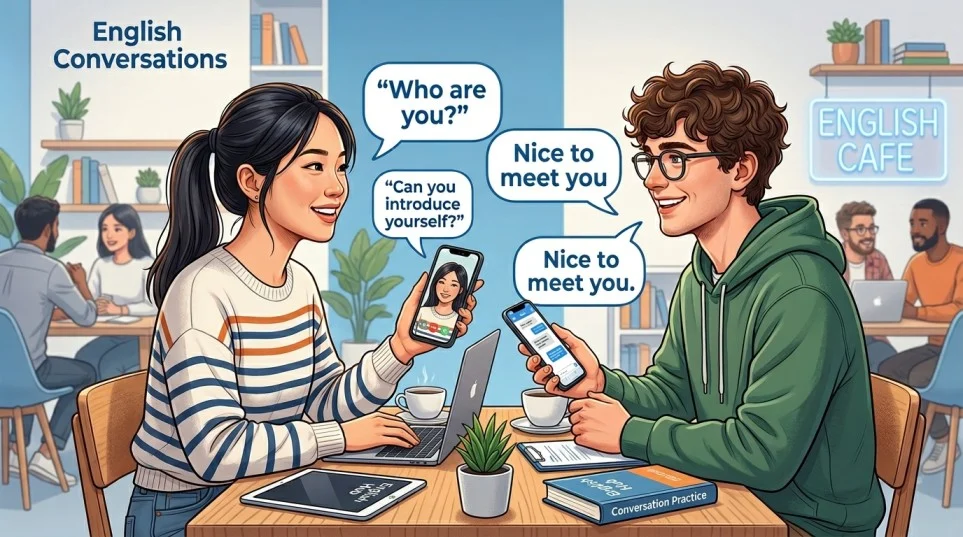
The phrase “Who are you?” looks simple. Yet people use it in dozens of situations every day. You hear it in conversations, movies, text messages, online chats, classrooms, interviews, and even arguments.
Sometimes the phrase sounds friendly. Sometimes it sounds suspicious. Other times it feels funny, rude, emotional, or deeply philosophical.
That’s why many English learners search for:
- Who are you meaning
- Meaning of who are you
- What does who are you mean
- Who are you definition
- Who are you phrase meaning
- Who are you meaning in chat
- Who are you meaning in text
The answer depends on the situation, tone, and relationship between the speakers.
In this detailed guide, you’ll learn:
- The exact meaning of “Who are you”
- Why people ask it
- Different meanings in conversation
- Chat and texting usage
- Polite and funny replies
- Translation in Urdu, Hindi, and Punjabi
- Grammar explanation
- Emotional and social meaning
- Real-life examples
- Common mistakes English learners make
By the end, you’ll fully understand this common English phrase and know how to use it naturally.
What Does “Who Are You” Mean?
The phrase “Who are you?” is a question people ask to know someone’s identity.
In simple words, it means:
“Tell me who you are.”
People use it when:
- They don’t recognize someone
- They want an introduction
- They receive a message from an unknown person
- They feel confused about someone’s identity
- They want personal information about someone
Simple Definition of Who Are You
| Phrase | Meaning |
|---|---|
| Who are you? | What is your identity? |
| Who are you meaning | Asking someone to identify themselves |
| What does who are you mean | Asking for a person’s name or identity |
| Who are you definition | A common English question used to know someone |
This phrase belongs to everyday conversational English.
Who Are You Meaning in English
In English, “Who are you?” is an interrogative sentence.
It asks for information about a person.
Sentence Structure
| Word | Function |
|---|---|
| Who | Question word |
| Are | Verb |
| You | Pronoun |
The phrase literally asks:
“What person are you?”
However, native English speakers rarely think about grammar while using it. They simply use it naturally during conversations.
Common Situations in English
People ask “Who are you?” when:
- Answering unknown calls
- Meeting strangers
- Receiving unexpected texts
- Starting conversations online
- Feeling shocked or confused
- Asking someone to introduce themselves
Example Conversations
Example 1
Person A: Hello.
Person B: Who are you?
Meaning: Person B does not know the caller.
Example 2
Text Message: Hi.
Reply: Sorry, who are you?
Meaning: The receiver doesn’t recognize the sender.
Example 3
Teacher: Who are you?
Student: I’m Ahmed, the new student.
Meaning: Asking for introduction.
Meaning of Who Are You in Daily Conversation
In daily conversation, the meaning changes depending on tone.
That’s important because English isn’t only about words. Tone changes everything.
Friendly Meaning
Sometimes the question sounds warm and welcoming.
Example:
“Hey, who are you? I haven’t seen you before.”
This usually means:
- “Tell me about yourself.”
- “Introduce yourself.”
Suspicious Meaning
A sharp tone can make it sound defensive.
Example:
“Who are you and why are you here?”
This means:
- The speaker feels cautious
- The person may seem unfamiliar
Emotional Meaning
People also use it emotionally.
Example:
“Who are you? You’ve changed completely.”
This doesn’t ask for identity literally. Instead, it expresses shock about someone’s behavior.
Who Are You Phrase Meaning in Chat
Online messaging changed the way people use language.
In chats, “Who are you?” often appears shorter and more casual.
Common Chat Variations
| Chat Phrase | Meaning |
|---|---|
| Who are you? | Identify yourself |
| Who r u? | Short texting version |
| Who are u | Informal spelling |
| Who is this? | Asking sender identity |
| May I know who you are? | Polite version |
Why People Use It in Chat
People ask this when:
- They receive messages from unknown numbers
- Someone changes usernames
- They forget contacts
- They suspect spam messages
- Someone randomly says hello
Example Chat
Unknown Number: Hi.
You: Who are you?
Meaning:
You don’t recognize the sender.
Tone Matters Online
In texting, punctuation changes tone.
| Message | Tone |
|---|---|
| Who are you? | Neutral |
| who are you | Casual |
| WHO ARE YOU? | Aggressive |
| Who r u lol | Playful |
| Sorry, who are you? | Polite |
Small changes create completely different feelings.
Who Are You Meaning in Text Messages
Text messaging creates shorter and faster communication.
Because of that, people often simplify the phrase.
Popular Texting Versions
- Who r u
- Who are u
- Who dis
- Who’s this
- New phone who dis
These phrases all ask about identity.
Example
Message: Hey remember me?
Reply: Who are you?
Meaning:
The receiver cannot recognize the person.
Texting Culture and Informal English
Text messages often ignore grammar rules.
That’s normal in casual communication.
For example:
| Formal English | Texting Style |
|---|---|
| Who are you? | who r u |
| Can you introduce yourself? | intro pls |
| May I know your name? | ur name? |
English learners should understand both formal and informal versions.
Who Are You Meaning in Urdu
The Urdu translation of “Who are you?” is:
آپ کون ہیں؟
Roman Urdu:
Aap kon hain?
Urdu Meaning Breakdown
| English | Urdu |
|---|---|
| Who | کون |
| Are | ہیں |
| You | آپ |
Informal Urdu Version
When talking casually:
Tum kon ho?
This version sounds less formal.
Usage in Urdu Conversations
People ask this when:
- Meeting strangers
- Receiving unknown calls
- Asking introductions
- Talking online
Who Are You Meaning in Hindi
In Hindi, “Who are you?” translates as:
आप कौन हैं?
Roman Hindi:
Aap kaun hain?
Informal Hindi Version
Tum kaun ho?
Hindi Usage
The phrase appears commonly in:
- Bollywood movies
- Social media chats
- Daily conversation
- Phone calls
- School introductions
Who Are You Meaning in Punjabi
Punjabi translation:
ਤੁਸੀਂ ਕੌਣ ਹੋ?
Roman Punjabi:
Tusi kaun ho?
Informal version:
Tu kaun ae?
Punjabi speakers often use this casually among friends and relatives.
Why Do People Ask “Who Are You?”
This question serves many social purposes.
People don’t always ask it for the same reason.
Common Reasons
| Reason | Explanation |
|---|---|
| Curiosity | Wanting to know someone |
| Safety | Checking unknown identity |
| Introduction | Starting conversation |
| Confusion | Not recognizing person |
| Social interaction | Beginning communication |
Psychological Meaning
Humans naturally seek identity confirmation.
That’s why introductions matter in every culture.
When someone asks “Who are you?” they usually want:
- Trust
- Context
- Familiarity
- Social connection
Who Are You Definition in Communication
From a communication perspective, this phrase is an identity question.
It helps people establish:
- Relationship
- Recognition
- Trust
- Context
Communication Functions
Identity Verification
Example:
“Who are you?”
Used to confirm identity.
Conversation Starter
Example:
“Hi, who are you?”
Used to begin interaction.
Emotional Expression
Example:
“Who are you anymore?”
Used emotionally rather than literally.
Who Are You Explanation With Real-Life Examples
Understanding real examples makes learning easier.
Example in School
Teacher: Who are you?
Student: I’m Ali. I joined today.
Meaning:
Simple introduction request.
Example in Phone Call
Caller: Hello.
Receiver: Who are you?
Meaning:
The receiver doesn’t recognize the caller.
Example in Online Gaming
Player: Who are you bro?
Reply: I’m your teammate.
Meaning:
Asking identity casually.
Example in Emotional Conversation
“You’ve changed so much. Who are you?”
Meaning:
The speaker feels emotionally disconnected.
How to Reply to Who Are You
Your reply depends on the situation.
Polite Replies
| Situation | Reply |
|---|---|
| Formal conversation | I’m John from the marketing team. |
| Unknown number | I’m Sarah. We met yesterday. |
| Online chat | I’m Alex from Instagram. |
| Friendly intro | I’m Emma. Nice to meet you. |
Casual Replies
- I’m your new neighbor.
- Just a friend.
- I’m the person who texted earlier.
- It’s me, David.
Professional Replies
- I’m Michael from customer support.
- I work with your brother.
- I’m calling regarding your appointment.
Polite Reply to Who Are You
Politeness matters in communication.
Especially with strangers.
Best Polite Responses
- Hi, I’m Daniel. We spoke last week.
- Sorry for the confusion. I’m Anna from college.
- My name is Ahmed. I got your number from Bilal.
- I’m Sophia from the HR department.
Tips for Sounding Polite
- Use complete sentences
- Introduce yourself clearly
- Avoid aggressive language
- Add context if needed
Funny Replies to Who Are You
Humor makes conversations memorable.
Here are some playful responses.
Funny Examples
| Funny Reply | Style |
|---|---|
| I’m Batman. | Classic joke |
| A mysterious traveler. | Dramatic |
| Your future best friend. | Friendly humor |
| Classified information. | Sarcastic |
| Someone with WiFi access. | Modern joke |
When Humor Works Best
Funny replies work well:
- Between friends
- In casual chats
- On social media
- In playful conversations
Avoid them in professional settings.
Flirty Replies to Who Are You
Sometimes people use playful flirting online.
Examples
- Someone who noticed your smile.
- Maybe your future favorite person.
- The person you’ve been waiting for.
- Guess and I’ll give you a prize.
These responses sound light and charming.
However, context matters.
Who Are You Meaning From a Girl
When a girl asks “Who are you?” the meaning depends on context.
Common Reasons
- She genuinely doesn’t know you
- She forgot your contact
- She feels cautious
- She wants an introduction
- She’s curious about you
Important Tip
Don’t overthink the phrase.
Usually it simply means:
“Please identify yourself.”
Who Are You Meaning From a Guy
The same logic applies when a guy asks it.
Possible Meanings
- He doesn’t recognize the sender
- He wants clarification
- He’s starting conversation
- He’s being protective or cautious
Tone always matters more than the words themselves.
What Is the Meaning of Who Are You in Social Media
Social media created new conversational habits.
People now ask:
- Who are you?
- Who dis?
- Who’s this?
- Do I know you?
Platforms Where It Appears Often
| Platform | Common Usage |
|---|---|
| Unknown contacts | |
| Snapchat | Random usernames |
| New followers | |
| Stranger messages | |
| Discord | Gaming chats |
Who Are You Meaning on WhatsApp
On WhatsApp, this phrase usually means:
- “I don’t have your number saved.”
- “Please tell me your identity.”
Example
Unknown Contact: Hello dear.
Reply: Who are you?
Meaning:
The receiver doesn’t recognize the sender.
Who Are You Meaning on Snapchat
Snapchat usernames often confuse people.
So users ask:
“Who are you?”
Meaning:
- “What’s your real identity?”
- “Do I know you in real life?”
Common English Questions Related to Who Are You
Many English phrases have similar meanings.
Similar Questions
| Phrase | Meaning |
|---|---|
| Who is this? | Asking caller identity |
| May I know who you are? | Polite version |
| Can you introduce yourself? | Formal introduction |
| What’s your name? | Asking directly |
| Tell me about yourself | Asking personal details |
Difference Between “Who Are You” and “Who Is This”
These phrases look similar but differ slightly.
| Phrase | Usage |
|---|---|
| Who are you? | General identity question |
| Who is this? | Mostly phone/text usage |
Example
Phone call:
“Hello, who is this?”
Face-to-face:
“Who are you?”
Who Are You Means in Grammar
Grammatically, this is a question sentence.
Grammar Breakdown
| Part | Type |
|---|---|
| Who | Interrogative pronoun |
| Are | Verb |
| You | Personal pronoun |
Sentence Type
It’s an:
- Interrogative sentence
- Present tense structure
- Identity-based question
Who Are You in Spoken English
Native speakers use this phrase naturally.
However, pronunciation changes in fast speech.
Natural Pronunciation
Instead of:
“Who are you?”
Native speakers often say:
“Who’re you?”
Or:
“Whoya?”
Fast English blends sounds together.
That’s why listening practice matters.
Beginner English Conversation and “Who Are You”
English learners encounter this phrase early.
It’s part of beginner conversation lessons.
Beginner Dialogue
A: Hello.
B: Hi. Who are you?
A: I’m Jack. Nice to meet you.
This teaches:
- Greetings
- Introductions
- Identity questions
Daily Use English Sentences Related to Who Are You
These phrases appear frequently in everyday English.
Useful Sentences
- Who are you talking to?
- Who are you looking for?
- Who are you texting?
- Who are you with?
- Who are you calling?
These help learners build conversational fluency.
Social Conversation Starters Similar to Who Are You
People rarely begin conversations the exact same way every time.
Here are alternative conversation starters.
Friendly Alternatives
| Phrase | Tone |
|---|---|
| Nice to meet you | Friendly |
| Tell me about yourself | Curious |
| What do you do? | Professional |
| Where are you from? | Social |
| Can you introduce yourself? | Formal |
Who Are You Slang Meaning
In slang or internet culture, the phrase can sound sarcastic or dramatic.
Example
“Who are you to tell me what to do?”
This doesn’t ask identity literally.
Instead it means:
- “You have no authority.”
- “Why should I listen to you?”
Another Slang Use
“Who even are you?”
This sounds dismissive or mocking.
Tone matters heavily here.
Emotional and Philosophical Meaning of Who Are You
This phrase also has deep emotional meaning.
Sometimes people ask it internally.
Identity and Self-Reflection
Questions like:
- Who am I?
- Who are you really?
- What defines a person?
These explore:
- Personality
- Identity
- Human behavior
- Emotional growth
Example
A movie character may say:
“Who are you beneath the mask?”
Meaning:
The speaker wants to know the real person emotionally.
Common Mistakes English Learners Make
Many learners misunderstand this phrase.
Mistake 1: Thinking It’s Always Rude
Not true.
Tone changes the meaning completely.
Mistake 2: Confusing It With “What Are You”
“What are you?” sounds offensive in many situations.
“Who are you?” is the correct identity question.
Mistake 3: Using Overly Formal Replies
Example:
“I am the individual known as David.”
That sounds robotic.
Natural English sounds simpler:
“I’m David.”
Best Response Examples for Different Situations
Professional Setting
“I’m James from the finance department.”
Friendly Chat
“I’m Ryan. We met at the café.”
Unknown Number
“Hi, I’m Sara. I got your contact from Ali.”
Funny Reply
“Just your neighborhood superhero.”
Flirty Reply
“Someone interested in knowing you.”
Quick Comparison Table for Who Are You Meaning
| Context | Meaning |
|---|---|
| Phone call | Asking caller identity |
| Text message | Asking sender identity |
| School | Asking introduction |
| Emotional talk | Expressing shock |
| Social media | Identifying online user |
| Argument | Challenging authority |
| Friendly conversation | Starting interaction |
Why This Phrase Is So Common in English
“Who are you?” is universal.
Every culture asks identity questions.
English uses this phrase because:
- Communication needs introductions
- Humans seek familiarity
- Safety requires identity confirmation
- Conversations begin with recognition
That’s why the phrase appears everywhere:
- Movies
- TV shows
- Text messages
- Social apps
- Daily speech
- Schools
- Workplaces
Simple Tips to Use “Who Are You” Naturally
Do This
- Match the tone to the situation
- Stay polite with strangers
- Use casual forms with friends
- Add context in professional settings
Avoid This
- Using aggressive capitalization
- Sounding rude accidentally
- Overthinking simple conversations
Final Thoughts on Who Are You Meaning
The phrase “Who are you?” may look tiny, yet it carries many meanings depending on context, tone, and relationship.
At its core, it simply asks about identity.
However, real conversations add layers:
- Curiosity
- Humor
- Emotion
- Suspicion
- Friendship
- Social connection
Understanding these layers helps you sound more natural in English conversations, texting, online chatting, and daily communication.
Whether someone asks politely, casually, emotionally, or jokingly, you now understand:
- The true meaning
- Grammar structure
- Chat usage
- Social context
- Translation
- Response styles
- Real-life examples
That’s what makes conversational English feel alive instead of robotic.